Who Actually Played That? The Ghost Hands Behind Rock's Most Famous Riffs
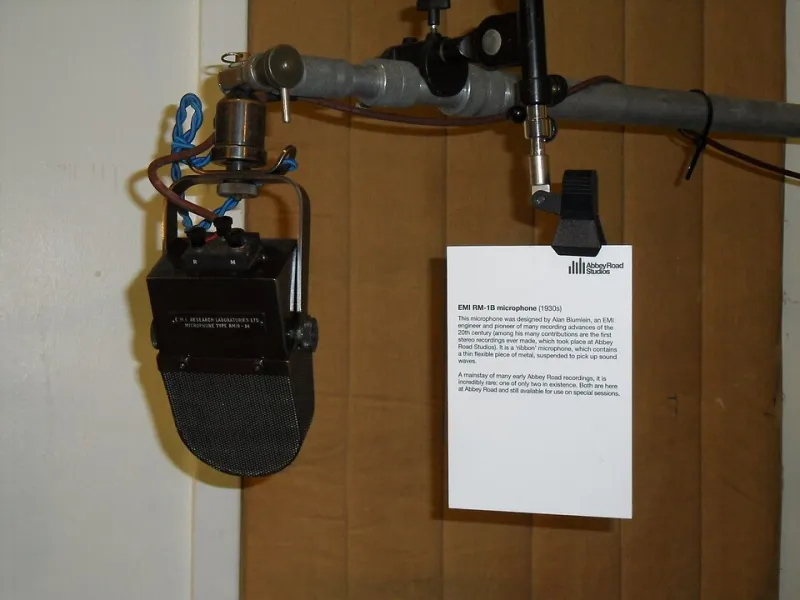
Photo: Josephenus P. Riley, CC BY 2.0, via Wikimedia Commons
Somewhere in Los Angeles, a drummer in his seventies can still play the opening groove of a song you've heard ten thousand times. You've never learned his name. Neither has Spotify. That's not an accident — it's a design decision, and it's costing an entire class of musicians their legacy.
The Wrecking Crew Problem, Fifty Years Later
Ask any music nerd about uncredited players and they'll bring up the Wrecking Crew, the loose collective of LA session musicians who played on more hits in the 1960s than most bands manage in a lifetime. Hal Blaine's drum intros. Carol Kaye's bass lines. The Beach Boys' touring band couldn't reproduce "Good Vibrations" live because, well, they hadn't played on it.
But here's what gets lost in the nostalgia: the liner notes era didn't fix the problem either. It just occasionally got lucky. Labels treated session players as overhead, not artists. Credits, when they existed at all, were typed by whoever happened to be in the room. The myth of the four guys in the garage was more marketable than the truth of the forty-year-old pro on union scale.
What liner notes did do, when they were thorough, was leave a paper trail. Historians could dig through sleeve credits, union contracts, and session logs to reconstruct who played what. It was imperfect, but it was something. Streaming gave us worse than nothing — it gave us a search bar.
Metadata Ate the Credits
Pull up nearly any hit from the last decade on your streaming service of choice and you'll see: artist, album, maybe a songwriter credit if you dig into the fine print. The bassist who locked the groove? The horn arrangement that makes the chorus soar? Gone. Not hidden — never uploaded.
The technical excuse is thin. Metadata standards exist. Credits can be embedded. The real issue is that nobody in the pipeline considers it worth the effort. Labels upload what's legally required. Platforms display what's cheap to display. And the musician who played the counter-melody that's stuck in your head for twenty years has no seat at that table.
There's a bitter irony here. Streaming was supposed to connect listeners to everything about the music. Instead it flattened albums into data points and musicians into a single name in a header. The CD booklet, for all its shrink-wrapped imperfection, at least tried. The streaming card doesn't even pretend.
The Players Are Doing It Themselves
The good news is that the culture is pushing back, mostly from below. Musicians have taken to social media to claim their own histories — a veteran bassist posting a photo of a 1994 session sheet gets more reach than any label press release. Fan communities run their own credit databases, cross-referencing interviews, reissues, and the occasional leaked session log. It's crowdsourced liner notes, built by people who refuse to let the record stay wrong.
Some newer artists get it, too. A growing number of independent releases now list every player in the release notes on Bandcamp, treating credits as part of the art rather than legal fine print. When a band names its string section, it's making an argument: these people made this record. The reissue market helps — deluxe editions stuffed with session details have become one of the few reliable ways for a player's grandchildren to learn what their grandmother actually did in 1972.
Why This Matters Beyond Sentiment
This isn't just about warm feelings. Session work is a career, and careers run on proof. A credited player can command better rates, join unions' pension conversations, and license their own performances. An uncredited one is a ghost on paper — no legacy, no leverage, no paper trail when it's time to claim what they're owed. The economics of anonymity are brutal.
There's also the listener's stake. Knowing who played a record changes how you hear it. Discover that the same drummer anchored both your favorite soul single and your favorite rock deep cut, and the whole map of American music reorganizes itself. That's not trivia. That's literacy.
So the next time a riff stops you in your tracks, do the digging the platform won't. Read the reissue booklet. Search the fan databases. Find the name. Somebody spent their life learning to play like that — the least we can do is say it back.