Trade You for the Red Rocks '83 Tape: In Defense of the Bootleg

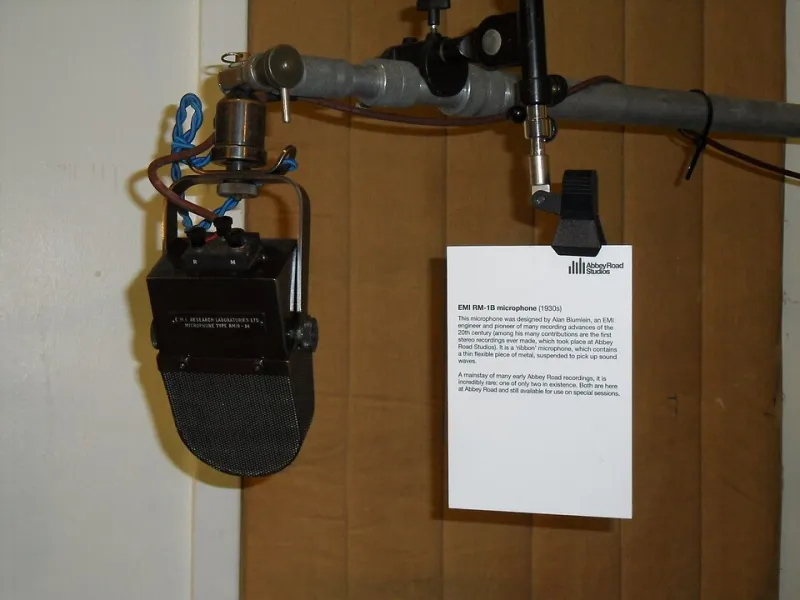
Photo: Rainer Halama, CC BY-SA 4.0, via Wikimedia Commons
Somewhere right now, a person is uploading a soundboard recording of a show that happened last night to a server where a few hundred strangers will spend the week arguing about the second-set jam. Nobody's charging for it. Nobody's asking for credit. The artist will probably never know it exists.
This is the bootleg economy, and I'd argue it's the healthiest thing in music fandom. Fight me.
The Dead Built the Blueprint
The Grateful Dead didn't just tolerate tape trading — they built the band around it. The taping section behind the soundboard became a feature of every show, and the band's understanding was simple: the recording was a memento, not a product. The money came from tickets and the experience. The tapes were the community's currency, and the band trusted that people who loved the music would show up to hear it live.
It worked, for decades, at scales that should have terrified any label executive. The Dead out-grossed nearly everyone in the '90s while giving away their product every single night. The lesson was right there and the industry spent thirty years refusing to learn it.
What Trading Actually Builds
Here's what the anti-bootleg framing gets wrong: trading isn't consumption, it's participation. To trade tapes in 1987 you had to know someone who knew someone. You built relationships. You wrote letters, included hand-drawn cover art, waited weeks for a mail package. The recording was the excuse; the network was the thing.
The internet made the files free and, paradoxically, made the community more important, not less. When anyone can download anything, the scarce resource is curation and context. Who do you trust to tell you which '77 show is the one? Which upload has the good mix? That expertise is what Discord archives and trading communities actually trade in now. The tape is the entry fee; the knowledge is the treasure.
Where the Labels Keep Fumbling
The industry's instinct, whenever it notices this world, is to either kill it or monetize it. Both approaches fail, and both for the same reason: they treat the sharing as the product when it's actually the relationship.
Killing it doesn't work because you can't DMCA a culture. Every takedown just pushes the archive deeper into private servers, and every enforcement action converts casual fans into committed ones. Monetizing it fails differently — the official live archive releases that charge premium prices for recordings fans have traded for decades tend to feel less like a service and more like a toll on a road the community built themselves.
The artists who get it do something smarter. They lean in. They allow audience recording at shows. They drop live recordings into fan channels first. Some stream soundboards directly to the communities that would've traded them anyway, converting the archivists into the marketing department. The fans aren't stealing an experience — they're extending one.
The Uncomfortable Conclusion
Look, I'll grant the counterargument: artists deserve to be paid, and not every recording should circulate. An unfinished demo leaking isn't tradition; it's a violation. There's a line, and the good communities know roughly where it is even if they argue about the exact spot.
But the blanket anti-bootleg position — that all fan circulation is lost revenue — misunderstands what fans are actually trading. They're not substituting a purchase with a download. They're building the social fabric that turns a listener into a lifelong ticket-buyer. The Dead figured this out in 1971. The rest of the industry is still catching up.
The tape isn't the product. It never was. It's the membership card.