Skip the Single: How the Forgotten Track Became the Truest Test of an Artist
There's a specific kind of satisfaction that comes from knowing track nine. Not the opener, not the radio edit, not the song that got synced to a car commercial — track nine. The one that starts with an odd time signature, or fades out weird, or just kind of sits there being uncomfortable in a way that makes you love it even more. If you know, you know.
And increasingly, more people know.
The Algorithm Giveth, the Algorithm Taketh Away
Streaming was supposed to flatten everything. Put 100 million songs in one place, let the recommendation engine do its thing, and theoretically every track ever recorded becomes equally accessible. In practice, the opposite happened. Spotify's editorial playlists and auto-radio features funneled listeners toward a narrower and narrower slice of any given artist's catalog. The single got louder. Everything else got quieter.
But here's the paradox: that same infrastructure made deep cuts findable in a way they never were before. You no longer need to hunt down an import CD at a record fair or pray that your local library stocked the deluxe edition. The whole catalog is right there. And for a certain kind of listener — the kind SubFreq was basically built for — that access became an invitation to go spelunking.
"I think streaming made the casual fan lazier and the devoted fan more obsessive," says Marcus Teel, a 34-year-old from Columbus, Ohio, who runs a Substack dedicated entirely to overlooked album tracks. "The middle ground kind of collapsed. You either let the app tell you what to hear, or you go full archaeologist."
Teel is not alone in that archaeologist mode. Online communities dedicated to ranking deep cuts, debating bonus track legitimacy, and building playlists around non-singles have exploded in the last few years. Subreddits, Discord servers, and niche music blogs are doing what the algorithm refuses to — treating an album like a complete document rather than a delivery vehicle for one or two marketable moments.
What the Label Didn't Want You to Prioritize
Ask almost any working musician about their favorite song from their own catalog and the answer is almost never the single. There's a reason for that.
"The single is a negotiation," says Drea Fontaine, a singer-songwriter based out of Nashville who released her third album last spring. "There are conversations happening about what's going to get playlisted, what format works for radio, what's going to make sense in a TikTok clip. By the time a single is a single, it's been shaped by a lot of hands. The deep cuts are where I actually got to be weird."
Fontaine points to a track buried near the end of her latest record — a seven-minute piece built around a malfunctioning synth patch she almost deleted — as the song she's most proud of. It has about a tenth of the streams her lead single does. Her most devoted fans, she says, bring it up constantly.
That gap between stream count and emotional resonance is exactly what makes deep cuts feel precious. Scarcity isn't about availability anymore — it's about attention. When something requires you to choose it, to seek it out past the auto-play queue, the act of listening becomes more intentional. More intimate.
Playlists as the New B-Side Ritual
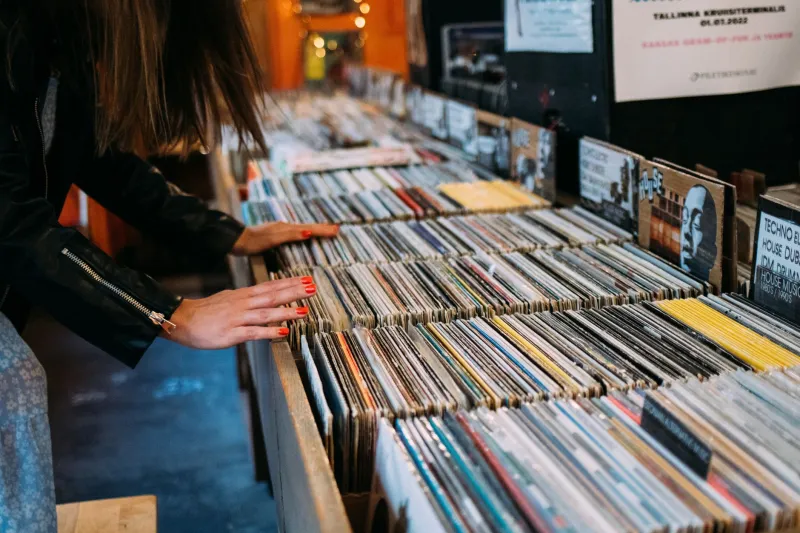
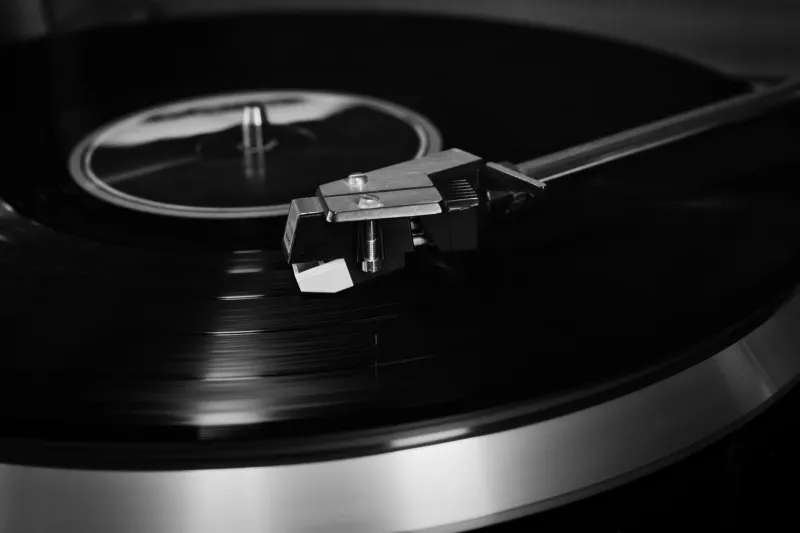
Back in the vinyl and cassette era, the B-side had a physical reality to it. You had to flip the record. You had to rewind. The format itself created a threshold between the promoted material and everything else. That threshold doesn't exist in the same way on a streaming platform, so fans have been building their own.
Curated playlists focused exclusively on deep cuts have become a genuine subculture. On Spotify alone, you can find hundreds of user-built playlists with titles like "album tracks only" or "no singles allowed" spanning every genre imaginable. They function less like shuffle fodder and more like handwritten letters — evidence that someone sat down and thought carefully about what deserved to be heard.
"A playlist I made of overlooked indie tracks from 2010 to 2015 has more followers than anything I've posted on social media," says Jordan Kwame, a music blogger in Atlanta. "People are hungry for curation that isn't just 'here's what's trending.' They want someone to say, trust me, go here, it's worth the detour."
Kwame sees the deep-cut playlist as a form of criticism. "When you put a forgotten track next to another forgotten track, you're making an argument. You're saying these songs belong in conversation with each other, and that conversation matters even if the algorithm never acknowledged either of them."
The Superfan as Archivist
One of the more interesting dynamics in this whole ecosystem is the role devoted fans play in preserving and amplifying the non-obvious parts of an artist's catalog. Fan wikis document every known B-side, bonus track, and regional variant. YouTube channels are dedicated to reacting to deep cuts specifically. Some superfan communities operate almost like academic institutions, cross-referencing lyric changes between live versions and studio recordings of songs that never even had an official release.
For artists, this level of engagement can be both gratifying and a little surreal. "There are people who know my catalog better than I do at this point," says Fontaine. "Someone once pointed out a melodic callback between a bonus track on my first EP and something on the new record that I genuinely did not consciously put there. And they were right. It's in there. That's a weird feeling."
It's also a reminder that the deep cut exists in relationship with the listener as much as with the artist. The meaning accumulates over time, through repeated plays and shared discoveries, in a way that a single rarely gets the chance to.
Why It Matters Right Now
There's something almost countercultural about championing the overlooked track in 2024. When the entire entertainment industry is optimizing for the three-second hook, the 30-second preview, the instantly shareable clip — choosing to sit with a seven-minute album closer feels like a small act of resistance.
It's not nostalgia, exactly. It's more like insisting that depth still has value. That an artist's creative vision can't be reduced to whatever got pushed to press. That some of the most honest, strange, and resonant work happens in the spaces the marketing department didn't bother to light up.
The listeners who know track nine aren't just fans. They're the ones keeping the full picture intact — one overlooked song at a time.