Ghost Tracks: The Albums and Songs the Internet Forgot to Save
Picture this: you're driving somewhere, a song comes on the radio—an oldies station, maybe, or one of those satellite channels—and it hits you clean in the chest. You know every word. You haven't heard it in fifteen years. The second you park, you pull out your phone and search for it.
Nothing.
Not on Spotify. Not on Apple Music. Not on YouTube. A few forum posts from 2009 confirm you're not imagining it. Other people remember it too. But the song, for all practical purposes, does not exist anymore.
This is not a rare experience. It is, in fact, becoming more common as the gap between what was recorded and what is accessible continues to widen in ways that the streaming revolution was never supposed to create.
The Myth of the Complete Archive
The pitch for streaming was essentially a promise of totality. Every song ever made, available instantly, forever. It was a compelling pitch. It was also wrong.
The actual catalog available on any given streaming platform at any given moment is the result of thousands of individual licensing agreements, all of which have expiration dates, dispute clauses, and renegotiation windows. When those agreements lapse or collapse, music disappears—sometimes temporarily, sometimes for years, sometimes permanently.
The mechanics are genuinely complicated. A song might involve a master recording owned by one entity, a publishing copyright owned by another, a sample clearance from a third party, and distribution rights held by a fourth. If any one of those relationships breaks down, the track can vanish from every platform simultaneously with no announcement and no timeline for return.
For catalog material—especially anything released before the mid-2000s—these arrangements are often tangled in ways that make resolution slow and expensive. Small labels that went under. Estates that can't agree. Artists who never signed over digital rights because digital rights didn't exist when they recorded.
Regional Music and the Digital Divide
The problem gets sharper when you move away from major-label releases. Regional music—the stuff that was always a local phenomenon—has a particularly bad survival rate in the streaming era.
Think about the independent country and western labels that operated out of Bakersfield and Shreveport in the '60s and '70s. Or the Tejano imprints based out of San Antonio. Or the hyper-local funk and soul operations in cities like Cincinnati and Memphis that pressed a few thousand copies of something, sold them at shows and in neighborhood shops, and never had the infrastructure to negotiate digital licensing forty years later.
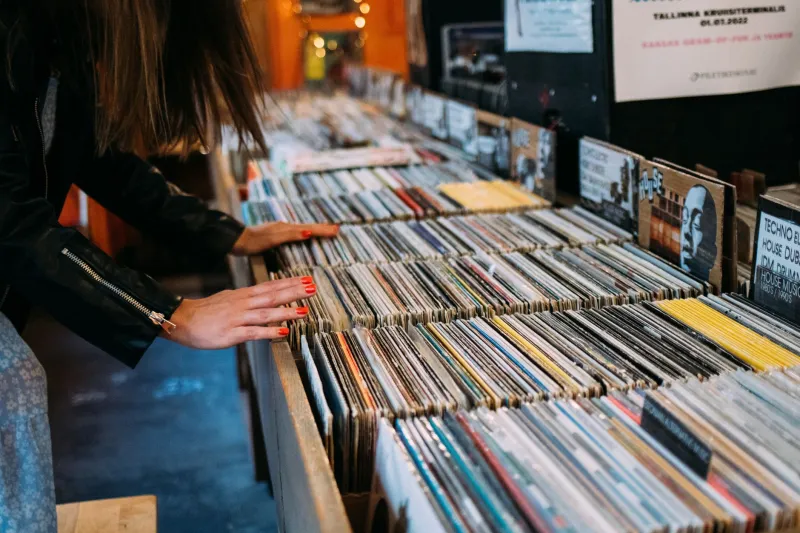
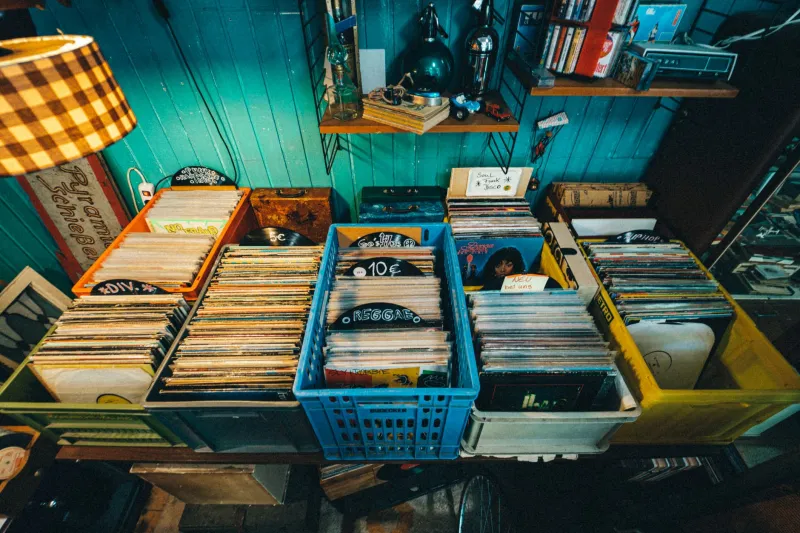
That material exists on physical media in attics, storage units, and the collections of devoted archivists. But it is not streaming anywhere. The people who want to find it have to know someone who has it, or get lucky at an estate sale.
Bethany Okafor, who runs a music preservation nonprofit focused on Black-owned independent labels from the American South, puts it plainly: "Streaming didn't democratize access. It democratized access to whatever the major labels and their subsidiaries decided was worth preserving. Everything else is still stuck behind physical scarcity."
Artist Takedowns and the Right to Disappear
Not all missing music is missing because of corporate dysfunction. Some of it is gone because the artist chose to remove it.
This is a legitimate right, and it's worth treating it as such. Artists have reasons—sometimes legal, sometimes personal, sometimes artistic—for not wanting certain work available. An early album that doesn't represent who they've become. A collaboration with someone they've since had a falling out with. Material recorded under a contract they consider exploitative.
But for listeners, especially those who encountered that work at a formative moment, the disappearance creates a specific kind of loss. The music that shaped you isn't just unavailable—it's been retroactively unrecorded from the accessible world. You can describe it to people but you can't play it for them.
This happened in a visible way when several artists pulled their catalogs from streaming platforms in protest of royalty rates. Some came back. Some didn't. The listeners who'd built playlists around that music were left with gaps that no algorithm could fill.
What Lives in the Cloud Dies in the Cloud
There's a deeper structural problem underneath all of this, and it's one that the physical-media advocates have been pointing to for years: music that exists only as licensed digital files has no permanence.
A vinyl record, even a scratched one, is a physical object that can outlast the company that made it, the label that released it, and every streaming platform ever built. It can sit in a box for fifty years and still play. It can be copied, transferred, archived. Its existence doesn't depend on a licensing agreement remaining active.
Digital files that you actually own—downloaded MP3s, FLAC files on a hard drive—have similar durability. The file doesn't care whether the label went bankrupt.
Streamed music is different. You never own it. You're renting access to it, and that access is contingent on a chain of business relationships staying intact. When the chain breaks, the music is gone from your life just as surely as if it had never been recorded—except that you remember it, which is somehow worse.
The Archivists Fighting Back
There is a community of people who understand this problem and are doing something about it. They are digitizing regional releases, uploading rare material to the Internet Archive, maintaining spreadsheets of what's missing and where physical copies might exist. They operate in a legal gray area that they mostly don't talk about publicly.
Their argument—made quietly, in private channels—is essentially conservationist. If the legal system cannot protect access to culturally significant music, then informal preservation networks will. It's the same logic that drove tape traders in the '80s and the early MP3 scene in the late '90s. The technology changes but the impulse doesn't: some music is too important to let disappear because of paperwork.
Listening While You Still Can
The practical upshot of all this is uncomfortable: the streaming catalog you use today is not guaranteed to look the same tomorrow. Music you love could be gone by the time you go back for it.
The listeners who've internalized this reality are the ones building physical collections again, downloading files when they can, keeping notes on what they want to remember. It's more work than a playlist. It's also more reliable.
The archive is invisible, and it has holes in it. The devoted ears know where to look.